A label that peels, smears, or fails to scan can slow picking, scramble inventory, and create preventable rework. The right construction sticks to the intended surface, scans on the first try, and survives the conditions your facility throws at it. Choosing well starts with one principle. Match the label to the surface and the environment.
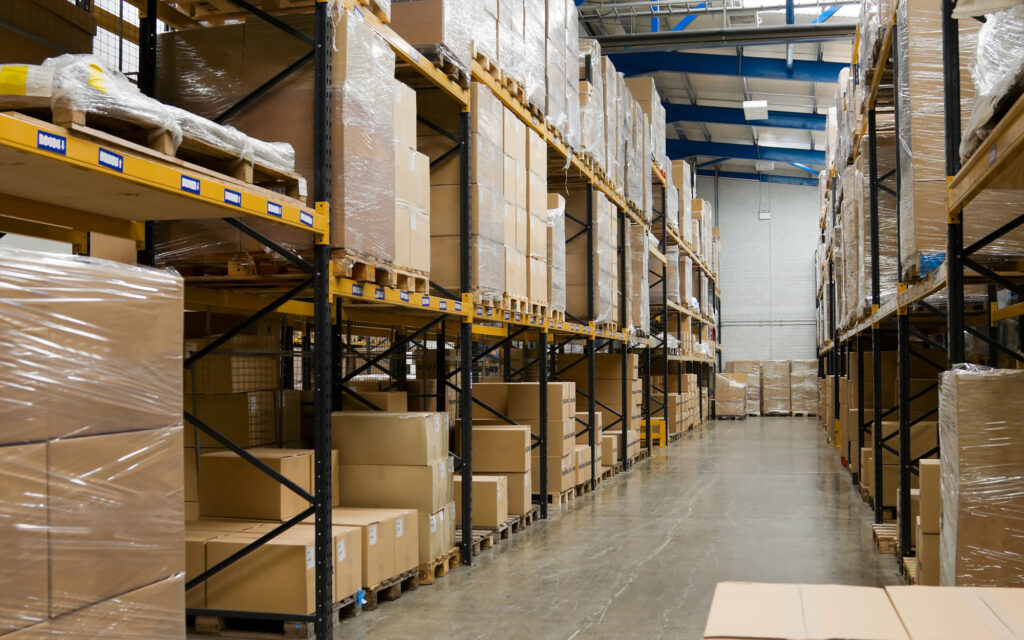
This guide walks warehouse managers and operations leads through the process of selecting materials, adhesives, and print methods that hold up to real use. You will find practical examples for common surfaces, advice for cold and hot zones, and a short validation plan you can run before full deployment.
Why Warehouse Label Materials Matter
Every facility consists of powder-coated beams, plastic totes, corrugate shippers, and wood pallets. Add cold rooms, warm docks, moisture, dust, and constant handling, and one label type rarely covers it all. Selecting the correct warehouse label materials keeps barcodes readable, prevents edge lift, and supports accurate counts throughout the day.
Understand the Core Warehouse Label Types
Different constructions excel in different roles. Start with the facestock that delivers the durability you need, then match an adhesive and print method.
Paper Labels for Short Life
Direct thermal and thermal transfer papers work well for same-day shipping, cross-dock moves, and paperwork. They print cleanly and cost less than film. Avoid paper when moisture, abrasion, or sanitizers are common.
Synthetic Films for Durability
Polyester delivers sharp print, stiffness, and resistance to oils, cleaners, and UV. It is a strong choice for long-term rack beams, equipment IDs, and assets. Polypropylene and polyethylene provide flexibility for curved bins and containers. They resist tearing and handle bumps and bends better than paper.
Print Technologies That Fit the Job
Thermal transfer with a resin ribbon produces durable images that withstand cleaners and abrasion. It is the standard for long-term locations and assets. Direct thermal supports short workflows where labels live for hours or days. Choose a topcoat when you need better smudge resistance.
Match Adhesive Labels for Warehouses to the Surface
Adhesive selection is where many failures begin. Consider surface energy, texture, cleanliness, and application temperature.
Metal and Powder-Coated Rack Beams
Use polyester film paired with a high-tack acrylic adhesive that holds well on powder coats. This combination provides strong edge hold and stable barcode grades. If you re-slot often, consider a removable or repositionable option that releases cleanly.
Plastic Totes and Bins
Polypropylene and polyethylene are low surface energy materials. Standard adhesives may lift at the edges. Select a low-surface-energy formulation designed for slick plastics. Flexible films help labels conform without whitening or cracking. If bins are washed, choose imaging and topcoats that tolerate your cleaners.
Corrugate and Cartons
Coated paper labels are efficient for short shipments. For longer storage, humidity, or rough handling, step up to a thin synthetic film and an adhesive that resists moisture. If cartons are relabeled, pick an adhesive that removes cleanly to avoid build-up and residue.
Wood Pallets and Crates
Rough, porous wood demands an aggressive initial grab. Rubber-based adhesives bond to fibers quickly. A conformable film bridges uneven grain. For reusable pallets, removable systems prevent build-up and reduce clean-up time.
Floor and Equipment Labels
Fork traffic, abrasion, and cleaners are hard on floor labels. Use heavy-duty films with protective laminates and a permanent acrylic adhesive. For equipment near heat, consider polyimide or high-temperature polyester constructions.
Build Durable Warehouse Labels for Real Conditions
Design for the worst your labels will see, not the best.
Cold Storage
When possible, apply labels at room temperature, then move them into the cold after the bond forms. If you must apply in the cold, use freezer-grade acrylics that tack at low temperatures. Films resist brittleness better than paper. Resin ribbons keep bars crisp under frost and condensation.
Heat and Sun
Trailer walls and dock doors can reach high temperatures. Use UV-stable films and adhesives that resist ooze. Polyester with resin imaging is a dependable choice for warm zones and exposure to sunlight.
Moisture and Washdowns
Condensation, mopping, and sanitizers attack paper and weak topcoats. Choose films, chemical-resistant imaging, and, where needed, a clear laminate that protects codes and quiet zones. This keeps scans reliable after cleaning.
Dust and Abrasion
Forks, gloves, and cartons scuff labels throughout the day. Harder films resist scratches better than paper. If abrasion is severe, add a thin overlaminate to protect the print without increasing the thickness too much.
Printing and Imaging That Last
Print quality affects scan speed and accuracy. Choose a method that matches the intended label life.
Thermal transfer with resin ribbons on film produces images that endure cleaners and handling. It is the default for long-term locations and assets. Direct thermal is effective for short-life shipping and staging labels. Protect quiet zones around barcodes so scanners have a clear margin to read. Maintain contrast by pairing the right ribbon with the right facestock, and set print darkness from a quick verification run rather than guesswork.
Validation Checklist Before You Roll Out
A short, structured check prevents most headaches.
- Define success. Set targets for barcode grades, edge hold, and visual wear. Agree on pass and fail before you start.
- Pilot on real assets. Apply candidate constructions to beams, bins, cartons, pallets, and equipment. Record application temperature, pressure, and dwell time.
- Simulate the environment. Move samples through cold rooms, warm docks, and cleaning routines. Scan at the distances and angles your team uses.
- Inspect, adjust, approve. Watch for edge lift, print fade, and grade drops over several days. Adjust film, adhesive, or ribbon, then approve the final construction.
Put It All Together With the Right Warehouse Label Materials
When you combine the correct film, adhesive, and print method for each surface and zone, labels last longer and scan more reliably. A small amount of planning saves hours of relabeling and reduces mispicks and cycle count discrepancies. If you document the final warehouse label materials in a simple spec sheet, future orders and expansions stay consistent without guesswork.
Electronic Imaging Materials can recommend constructions and provide label samples that match your printers and scanners. You will validate quickly and deploy with confidence.
Selecting Durable Warehouse Labels for Challenging Zones
Some areas always push labels to the edge. Coolers, freezers, hot docks, and high-traffic aisles deserve special attention. In these zones, upgrade to higher-grade films, low-temperature or high-temperature adhesives, and resin ribbons. These choices convert problem areas into predictable ones and maintain scan rates during your busiest hours.
How Warehouse Label Materials Support Inventory Accuracy
Accurate location labels shorten travel time and reduce search. Stable tote and pallet labels reduce duplicate IDs and scanning errors. Durable equipment and asset labels keep preventive maintenance schedules on track. Across thousands of scans, the right warehouse label materials add up to fewer touches and cleaner data in your WMS.
Work Smarter With Electronic Imaging Materials
Electronic Imaging Materials helps warehouses map surfaces, environments, and workflows to the correct constructions. We supply samples, tune imaging for your printers and scanners, and document a clear specification you can scale. If you want labels that survive cold rooms, warm docks, moisture, and daily handling, we will guide you to a solution that fits your floor and your budget.