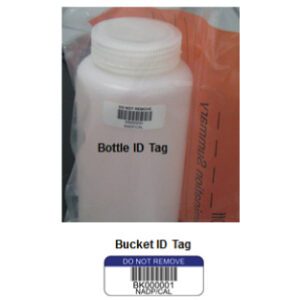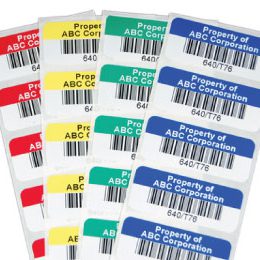
Every mis-picked or mis-shipped order is bigger than an annoyance. It eats margin, burns labor hours, and puts customer relationships at risk. Once you factor in replacement product, labor, freight, and potential lost customers, a pattern of errors becomes extremely expensive very quickly.
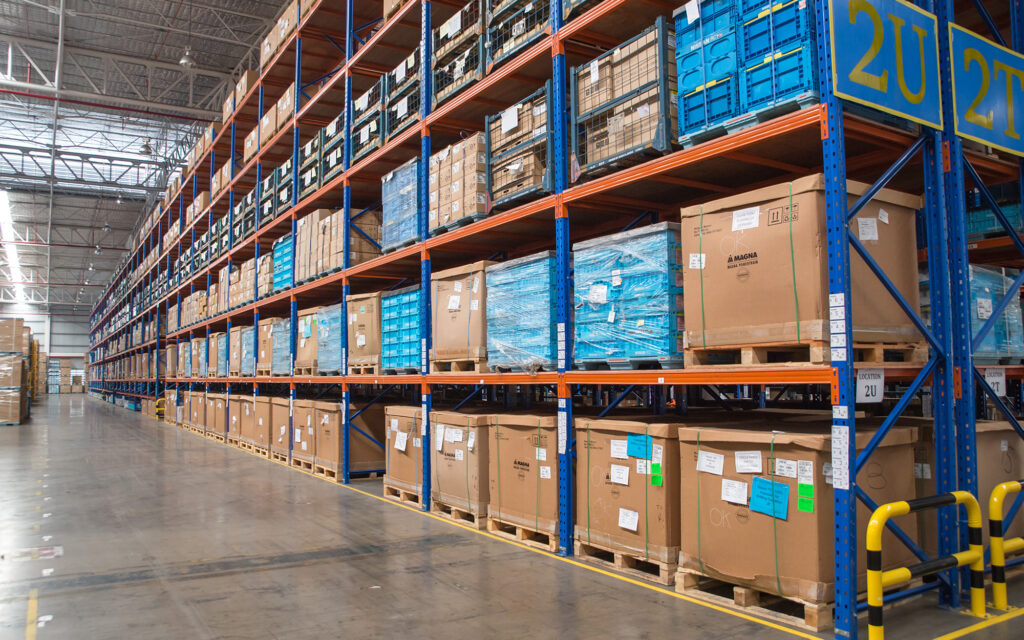
Most operations teams start by looking at people and systems. They retrain pickers, tweak WMS settings, or add automation. All of that matters, but one root cause often flies under the radar: how locations and products are labeled on the floor. The right warehouse labeling solutions turn your racks, bins, and pallets into a clear visual roadmap for pickers, which directly reduces mistakes and speeds up every shift.
Why Picking and Shipping Errors Happen in Warehouses
Picking and shipping errors are rarely the result of one bad picker. They usually come from a mix of process and visibility issues that show up on the floor every day.
Human Error During Manual Picking
Even strong employees grab the wrong SKU when they are rushing, distracted, or working in a cluttered pick zone. If two locations look similar or the label is hard to read, the odds of picking the wrong carton go up.
Inconsistent or Unclear Labeling
Labels that are faded, handwritten, half-peeled, or placed behind beams force pickers to guess. When the same type of location looks different from aisle to aisle, or label positions change, your team spends extra time confirming what should be obvious.
Mismatched Inventory Zones or SKU Confusion
If one bay holds several different SKUs or the zone sign does not match the WMS location code, mis-picks become almost inevitable. Shared locations, unclear zone boundaries, and confusing naming schemes all create friction.
Barcode Scanning Failures
When barcodes are printed on the wrong material, exposed to abrasion, or printed at the wrong size, scan rates drop. Every failed scan invites manual keying. Manual keying leads directly to wrong items shipped, wrong quantities, and wrong destinations.
Gaps Between Labeling, WMS, and Physical Layout
If a new rack was added and never labeled, or a pick face moved without updating signage, your team is working from two different maps. The WMS shows one reality, the floor shows another, and errors fill the gap between them.
How Proper Labeling Improves Accuracy
When you build warehouse labeling solutions around your actual processes, you give pickers clear, consistent cues at every step. Labels become part of the workflow instead of an afterthought.
Clear and Consistent Visual Identification With Bin Location Labels
A well-designed system of bin location labels turns “Where is this SKU?” into a one-second decision instead of a thirty-second hunt. Every storage position has a visible, scannable ID that matches the WMS exactly.
Clear bin, shelf, and pallet labels help:
- Reduce search time and guesswork during peak hours
- Avoid confusion when SKUs look similar in shape or packaging
- Reinforce how new hires learn your zone and aisle structure
Color bands, arrows, and large human-readable text make it easier for pickers to follow zone or aisle sequences without stopping to think. That visual consistency pays off in faster training and fewer “I thought I was in the right bay” errors.
Durable and Scan-Ready Labels to Reduce Picking Errors
Poor label durability is a silent driver of rework. When labels smear, peel, or crack, scanners struggle and pickers fall back to manual entry. Durable materials and crisp print quality help reduce picking errors at the source.
A durable, scan-ready label system:
- Maintains high barcode contrast after cleaning, abrasion, or cold storage
- Uses materials rated for your environment, from freezer zones to outdoor yards
- Keeps location IDs readable from the distances your team actually scans
By protecting barcode quality and placement, you reduce the number of manual corrections, speed up confirmation scans, and keep pickers on task instead of troubleshooting labels.
Integration With WMS and Barcode Labeling Systems
Labels only work if they match what is in your software. Location IDs on the floor need to line up with WMS records and pick paths. Thoughtful integration with barcode labeling systems closes that loop.
When your label design and your WMS work together, you get:
- Location labels that follow the same schema used in digital pick lists
- Clear scan points that align with directed pick and put-away tasks
- Easier cycle counting, slotting changes, and quality-control checks
Standardizing on one data structure for locations and generating labels directly from that system of record brings the physical and digital worlds into alignment, which is where most accuracy gains begin. Label materials in a simple spec sheet, future orders and expansions stay consistent without guesswork.
If labeling is contributing to mis-picks or mis-shipments, Electronic Imaging Materials can help you pinpoint where your current warehouse labeling solutions are falling short and recommend practical fixes.
How Warehouse Rack Labels Support Fast, Accurate Picks
Racks are the backbone of most facilities, and warehouse rack labels are the landmarks your pickers navigate by. If rack labels are inconsistent, blocked by product, or too small to read from the aisle, the entire pick path slows down.
Well-planned rack labeling:
- Uses large, high-contrast characters that can be read from the floor or lift
- Places labels where forks and pallets will not scrape or cover them
- Uses check digits or color bands to guide pickers to the correct beam level
When pickers can quickly confirm the right rack and level without leaving their equipment, you reduce travel time, reduce picking errors tied to similar-looking bays, and keep the entire operation flowing.
Operational Benefits When You Reduce Shipping Errorsand Picking Mistakes
Every improvement in accuracy shows up somewhere in your KPIs. When your labeling supports the way you pick, pack, and ship, you can reduce shipping errors and mis-picks at scale.
Key operational wins include:
Lower Return Rates and Reshipments
Fewer wrong items shipped means fewer returns to process and fewer free replacement orders to send. That protects margin on every shipment and stabilizes freight costs.
Faster Fulfillment Cycles
If pickers are not stopping for rescans or hunting for missing labels, they can process more lines per hour. Orders move from release to manifest faster, which helps you hit service-level targets.
Improved Labor Efficiency
Supervisors spend less time firefighting and double-checking. Your best people can focus on optimization rather than correction, which supports continuous improvement efforts.
Stronger Customer Satisfaction
A single bad shipping experience can push a buyer to look at competitors. Reducing mis-shipments protects repeat business and keeps customer service teams out of damage-control mode.
Shorter Training Time for New Pickers
A clearly labeled facility teaches itself. New hires can follow zone letters, aisle numbers, and color codes without memorizing your entire layout. That reduces onboarding time and gets new team members productive faster.
Labels may seem small, but the impact is large. Tight, well-executed warehouse labeling solutions give your team the visual and digital guidance they need to pick right the first time.
Label Types That Make the Biggest Difference
Within effective warehouse labeling solutions, a handful of label types do most of the heavy lifting.
Rack and Bin Location Labels
These handle zone and SKU identification. When each beam and bin has a clear ID, your WMS can drive directed picking and your team can trust the label in front of them.
Pallet Labels
Durable pallet or license plate labels keep pallets traceable from receiving through staging and outbound. Long-range, high-contrast codes allow scans from lift trucks without climbing or stepping into aisles.
Floor Labels
Floor labels and signs define lanes, staging areas, and bulk storage zones. They help coordinate traffic and make sure pallets land in the correct region for each wave or carrier.
Color-Coded Labels
Color can segment product types, temperature zones, customer accounts, or value-added services. That visual cue lowers the cognitive load for pickers, especially in dense or fast-moving zones.
Removable and Relabelable Options
Operations with seasonal or high-SKU turnover benefit from labels that can be replaced without scraping and solvents. Clean removability helps your team re-slot and reconfigure without leaving behind a confusing trail of old IDs.
Why Work With Electronic Imaging Materials (EIM)
Electronic Imaging Materials focuses on labels that work where others fail. The team designs warehouse labeling solutions around real-world warehouse conditions instead of ideal lab environments.
EIM helps operations teams:
- Choose materials that stand up to abrasion, cold storage, or outdoor yards
- Plan location layouts and label placement that match your WMS logic
- Dial in barcode size, contrast, and symbology for your scanners and read ranges
- Get custom-printed labels quickly when you are launching a new facility or reworking an existing one
You get support from people who spend every day thinking about rack labels, bin tags, and scan performance, so your team can focus on throughput, not relabeling.
Get Help From The Label Experts
Tired of preventable errors in your warehouse? Let EIM help you label smarter and ship better. The Label Experts can work with you to design warehouse labeling solutions that fit your aisles, your equipment, and your KPIs.
Request a warehouse label sample kit from Electronic Imaging Materials to see how different materials, sizes, and formats behave in your environment before you commit. It is a simple way to turn your labels into a frontline tool for accuracy and speed.