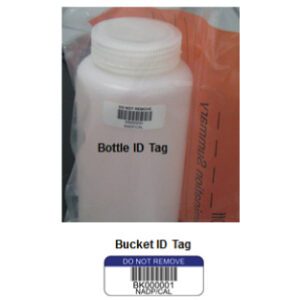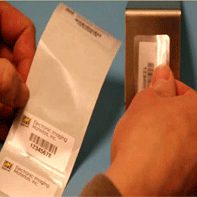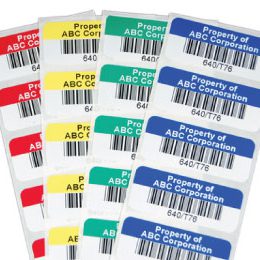
Have you ever printed out a set of barcode labels only to find that they just won’t stay attached? It’s frustrating when labels peel, slide, or fall off—leaving products, packages, or shelves unorganized and difficult to track.
10 Reasons Barcode Labels Fail to Stick
Whether you’re labeling inventory, assets, or shipments, having a label that sticks is crucial. Understanding the common reasons why barcode labels fail to adhere and following a few best practices are easy ways to ensure your labels stay where they belong.
Surface Contamination
Problem: One of the most common reasons barcode labels fail to stick is surface contamination. When dirt, dust, oil, or moisture are present, even the strongest adhesive may struggle to create a bond. Surfaces that seem clean to the naked eye can have invisible residues that make adhesion challenging.
Solution: Before applying your label, make sure you clean the surface you’re applying it to thoroughly. Use a simple wipe with isopropyl alcohol or a clean cloth to remove any dust, oil, or moisture. Waiting for the area to dry fully is essential before sticking on the label.
In some applications, like warehouses with equipment or storage shelves exposed to dirt and grease, a deeper clean might be required.
Improper Set Time
Problem: Some barcode labels require a specific set time to form a secure adhesion with the surface. In these cases, you may need to wait at least 24 hours for the adhesive to fully cure and create a permanent bond.
Solution: Check your label supplier’s instructions to see if set time is a factor. If it is, give your labels the required time to bond completely before putting them to use. Rushing this process can lead to peeling or shifting labels. This is especially true for labels exposed to movement or stress too soon after application.
Incorrect Adhesive Type
Problem: Not all adhesives are created equal. Labels employ a variety of adhesives, including permanent, removable, and specialty solutions engineered to work with specific surfaces and under particular conditions. For example, a removable adhesive is great if you need to reposition labels, but it won’t hold up well on surfaces that require a permanent bond.
Solution: Evaluate your needs and choose the correct adhesive type for your application. If you’re working in a warehouse, a strong permanent adhesive is often necessary for pallets or boxes. Conversely, office environments often find that removable adhesives for temporary filing systems work best. If your barcode labels need to withstand extreme environments, consider specialty adhesives designed for your unique challenges, such as chemical- or water-resistant adhesives.
Unsure of which adhesive is right for your application? Contact the Label Experts! With decades of experience labeling the most difficult surfaces, we can help you find an adhesive that meets your needs.
Incorrect Material
Problem: Another common mistake is choosing the wrong label material. Just as an adhesive must be matched to the surface it bonds to, a label material must be matched to the environment it will face. For example, a paper label material won’t work well in a freezer, even if the adhesive is strong enough to stick in the cold.
Solution: Understand your application environment and choose the appropriate label material. Outdoor applications may need a durable plastic or vinyl label. Barcode labels used in refrigerated warehouses should be made from freezer-grade materials to withstand low temperatures. Labels exposed to sunlight should be made of UV-resistant materials to avoid fading or peeling.
Temperature Issues
Problem: Temperature significantly affects label adhesion. If the surface or the environment is too hot or too cold, the adhesive may not work as intended. For example, applying a standard label in freezing conditions will often fail.
Solution: Check the temperature recommendations for your barcode labels before applying them. If you’re labeling in a cold environment, opt for labels specifically designed for low temperatures. In high-temperature settings, such as labeling machinery that generates heat, choose heat-resistant labels to ensure they don’t lose their bond.
Incidental Chemical Exposure
Problem: Some applications expose barcode labels to chemicals that weaken the adhesive. Contact with gasoline, cleaning solvents, or other harsh substances can degrade labels, causing them to peel or lose legibility.
Solution: If chemical exposure is unavoidable, select labels engineered for chemical resistance. For example, barcode labels used in laboratories or chemical plants must withstand splashes or spills, making barcodes with materials and adhesives designed for these tough environments ideal.
Surface Texture
Problem: The surface texture of what you’re labeling can also affect a label’s ability to stay securely attached. Smooth surfaces generally allow for better adhesion. Conversely, rough or uneven textures create gaps between the adhesive and the surface, reducing the bond strength.
Solution: Labels with a more aggressive adhesive are optimal for rough or uneven surfaces. These adhesives are designed to enhance the bond, particularly on surfaces that aren’t perfectly smooth, such as rough wooden pallets or textured plastic bins.
Application Pressure
Problem: The amount of pressure you use matters when applying a barcode label. Insufficient pressure can prevent the adhesive from spreading evenly and bonding to the surface.
Solution: Press down firmly and evenly on each label after application. Or, if you’re using a machine to apply labels, make sure it’s calibrated to apply the correct amount of pressure. Whether you’re using a label for a shipping box or a piece of equipment, a simple, firm press can make a big difference.
Moisture or Humidity
Problem: Wet conditions and humidity can interfere with a label’s adhesive properties. Damp surfaces and moisture-rich environments can affect a label’s ability to adhere properly or cause it to peel over time.
Solution: Before applying a label, dry the surface it’s going on completely. Also, consider using labels made with moisture-resistant materials for environments prone to humidity. In wet conditions, synthetic labels, like polyester or polypropylene, outperform paper labels.
Environmental Exposure
Problem: Environmental factors, including wind, rain, and sun, can compromise a label’s performance. Outdoor labels need to withstand these elements for an extended period.
Solution: Weather-resistant labels are optimal for outdoor applications—they’re designed to handle UV exposure, rain, and temperature changes. For example, barcode labels used for tracking outdoor equipment are ideally made from durable, weatherproof materials.
The Bottom Line: What Sticks
Barcode labels are vital for keeping businesses organized. When they don’t stick, it can cause major headaches. Understanding common problems—such as surface contamination, incorrect adhesive type, or temperature issues—can help you choose the right labels for your needs.
Before making any label decisions, take the time to assess your labeling environment and requirements. Whether you need freezer-grade labels, chemical-resistant adhesive, or outdoor-friendly options, selecting the right material and adhesive combination is key to long-lasting performance.
When in doubt, test your labels before making a bulk order. Understanding how labels behave in your specific setting can save you time, money, and frustration. After all, a barcode label that stays put is essential for smooth operations in any business.
Electronic Imaging Materials, Inc.
Are you frustrated by labels that just won’t stay in place? EIM offers high-quality, durable barcode labels and custom solutions built to withstand the toughest conditions. Connect with a Label Expert today for guidance and free label samples designed to meet your specific needs.