FIFO stands for “first in, first out”—an inventory control strategy that ensures the items that have been in a facility the longest are the first out the door. FIFO systems are ideal for managing perishable, seasonal, and high-turnover items.
Labels are the backbone of first-in, first-out inventory management. A strong FIFO labeling system is essential for tracking and managing items throughout their lifecycle and supply chain.
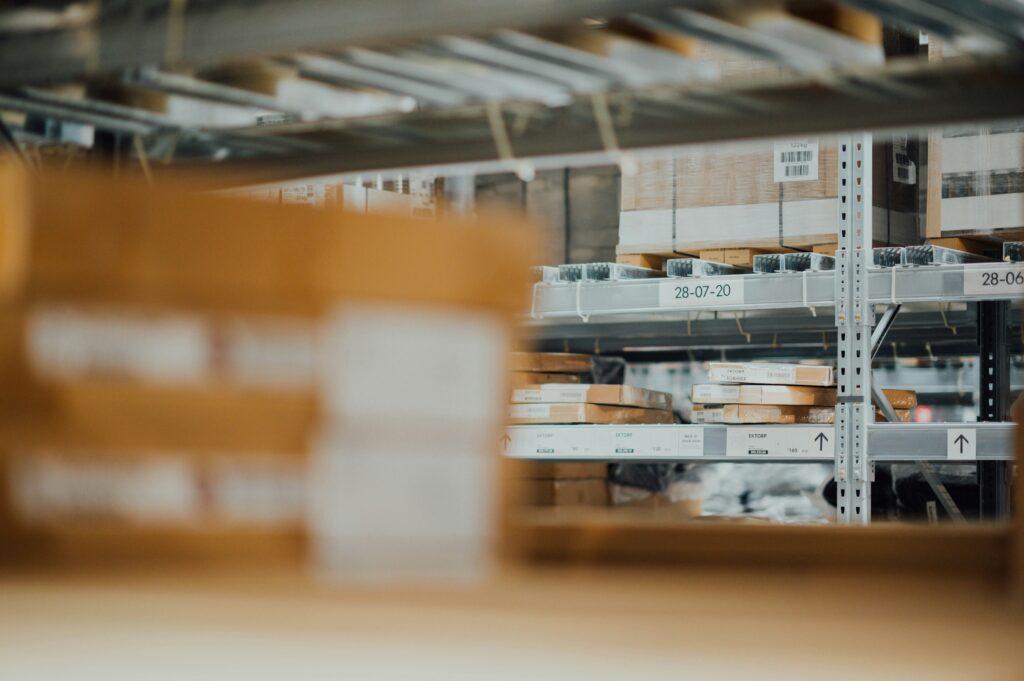
How FIFO Works
FIFO is most commonly used as an inventory control method, ensuring that the first items to enter inventory are also the first to leave. It’s kind of like a high-tech version of the way grocery stores rotate milk, moving the older product to the front of the shelf and placing the newer one behind it.
Another way to think about how FIFO operates is to view it like the print queue on your computer. When you send multiple documents to a printer, each print job gets added to a queue in the order it was received. The printer processes jobs in that same order: the first job submitted is the first one printed—first in, first out.
Whether milk on a shelf, a print job in a queue, or items in a warehouse, the principle remains the same: whatever comes in first, leaves first.
FIFO Labeling Systems
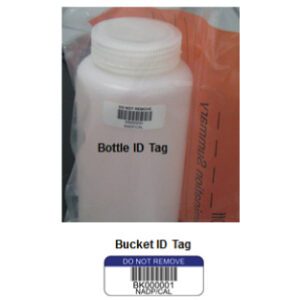
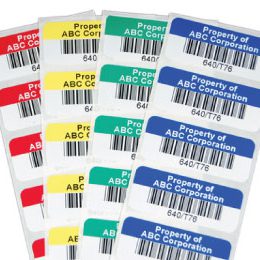
For FIFO systems to function, it’s essential to know what products are in inventory and when they arrived. There also needs to be a system for organizing items to ensure the oldest stock is out the door first. Here, labels are vital. Barcode labels contain a multitude of information critical to FIFO management, including:
- Intake dates
- Expiration dates
- Product names
- Batch numbers
FIFO barcode labels contain the information that FIFO systems are built on.
The Benefits of FIFO Labeling
FIFO labeling provides a host of benefits, from optimizing inventory management to improving cost efficiency.
- Reduces waste: In industries like food, beverage, and pharmaceutical, FIFO labels play a valuable role in ensuring the oldest products are moved first. This results in less waste and helps avoid compliance issues with health and safety regulations.
- Mitigates obsolescence: From fast-evolving, high-tech electronics to seasonal retail products, FIFO labels maximize sales windows, helping avoid the expense of storing out-of-date stock and markdowns.
- Satisfies customers: FIFO labels support a smooth flow of goods through the supply chain, helping ensure customers receive relevant, fresh products delivered at the appropriate time.
- Optimizes inventory: Tracking and organizing items with barcode labels as they move through the distribution process provides better inventory management—allowing you to avoid stock shortages, waste, and overstock.
- Maximizes value: Less waste, timely turnover, happy customers, and more efficient use of inventory all add up to more money at the end of the day.
In the end, FIFO labels keep your inventory accurate and help items move in and out of stock as quickly as possible. What’s more, they do this simply and scalably.
First-In, First-Out Applications
First-in, first-out inventory management is ideal for any industry where freshness, traceability, and regulatory compliance matter. For example:
- Food and beverage: In businesses ranging from distributors to grocers to restaurants, FIFO supports stock rotation and reduces spoilage, waste, and health and safety compliance risk.
- Consumer goods: FIFO offers retailers a significant advantage. It allows them to move goods and track items effectively, ultimately improving inventory management.
- Warehouse: Similar to consumer goods, warehouses benefit greatly from FIFO. Barcode labeling ensures proper product stocking, provides inventory insights, and ensures streamlined movement through the distribution process.
- Labs and healthcare: Labels also play a key role in FIFO systems used in labs and healthcare—ensuring samples and testing materials are used before expiration and streamlining the use and replacement of medications and supplies.
FIFO Label for FIFO Labels
Labels also have a shelf life, which makes it important to track and manage your label inventory. In general, the shelf life of labels ranges from six months to two years. This means that if you’re rotating your label inventory to use the oldest labels first, you’re at risk of having labels in stock that are out of warranty.
It’s important to understand the difference between shelf life and service life. Label manufacturers and converters like EIM don’t offer a warranty on service life, because labels are exposed to a wide variety of applications and environmental conditions beyond their control.
Electronic Imaging Materials, Inc.
Whether you’re moving food and beverage, running retail operations, managing logistics, or working in a lab, FIFO labels are invaluable. They boost efficiency, cut waste, ensure compliance, and keep every item visible throughout their life cycle. However, labels only work if they survive real-world conditions. From sub-zero cold storage to rough handling through the supply chain, FIFO labels need to remain legible and adhered.
EIM has almost 40 years of experience providing labels for tough jobs and demanding environments. Our Label Experts can help you find a solution that meets the unique demands of your FIFO system. Don’t believe us? Fill in (FI) our sample request form online, and Find Out (FO) what you’ve been missing.