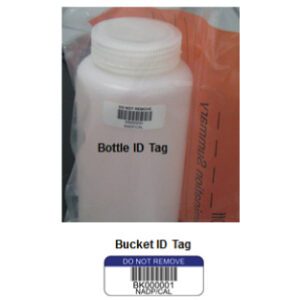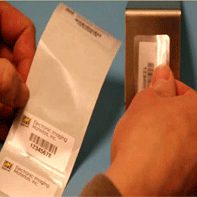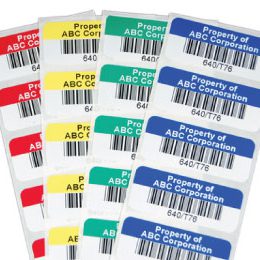
Have you ever asked yourself, “Where can I find suppliers of durable automotive labels for car manufacturers?” Tens of thousands of parts are used in the production of a vehicle. What’s not included in that number is the abundance of labels used for everything from bringing clarity to a complex supply chain to conveying important information to consumers.
The fact is, auto labels might seem like a small part of automotive manufacturing, but their role is massive.
Labels Are Omnipresent in the Automotive Industry
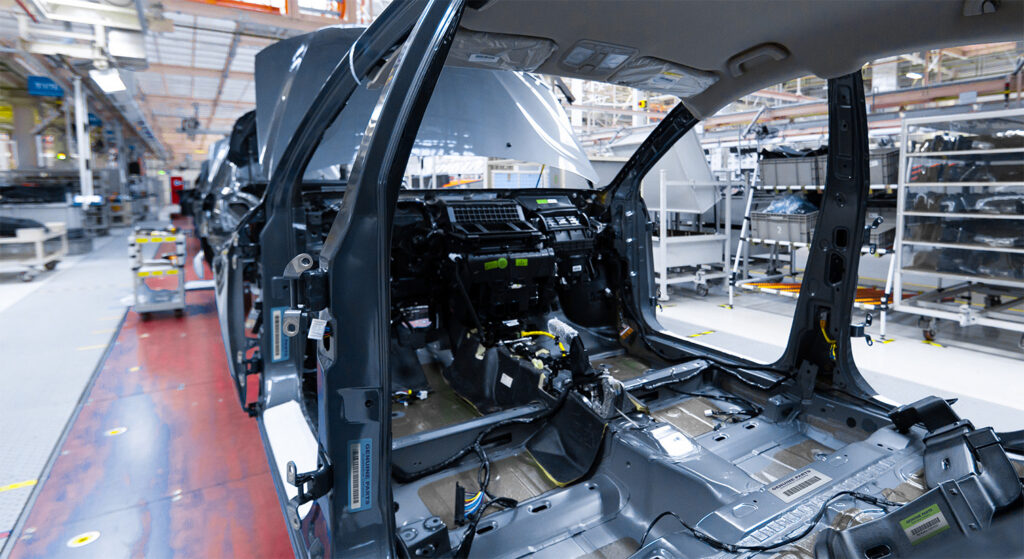
Vehicle production is one of the most complex manufacturing processes in the world. Modern cars consist of roughly 30,000 parts sourced from suppliers spread across the globe. For example, a car can have a transmission made in Japan, wheels from South Korea, a bumper from Germany, a radiator from Mexico, and an exhaust from Canada.
Although the types of parts and their origins differ, one thing they typically have in common is labels. Auto labels are everywhere, including:
- Engines and transmissions
- Axles and brakes
- Exhaust
- Airbags and seatbelts
- Batteries and electrical systems
- Sensors
Labels are essential to tracking these parts as they move through the supply chain and production process. They also play a key role in identifying parts, which is essential in the event of a recall. Other uses of automotive parts labels include:
- Warning of potential hazards
- Instructing on operation
- Guiding maintenance
- Reminder of service
- Preventing tampering
- Providing asset tracking
- Regulatory compliance
What to Look for in Automotive Labels
Auto labels must be durable. They often must remain securely attached and legible for the life of the vehicle while enduring demanding conditions. This means standing up to environmental factors like:
- Extreme temperatures and UV light
- Exposure to chemicals, cleaning solutions, and oils
- Moisture
- Abrasion
For manufacturers, OEM label failure can slow down production and lead to costly downtime—consider a 2024 report found that automotive manufacturers lose $2.3 million per unproductive hour.
Building Vehicle Labels that Last
A vehicle isn’t just a collection of parts. Rather, it’s a carefully engineered product whose quality depends on how those parts work together. After all, a powerful engine is ineffective if the transmission can’t transfer power to the wheels, and that power is useless if the tires can’t provide traction.
Labels are no different. The effectiveness of automotive labels relies on several components working in unison to meet a specific objective. Finding the right combination of materials, adhesives, laminates, printing techniques, shapes, and sizes is vital to ensuring optimal performance.
Materials
Several materials are used for facestock, each ideally suited for specific automotive environments. For example, polyester is super durable, withstands temperatures up to 302°F, and is resistant to oils and grease. All this adds up to optimal labels for high-heat applications under the hood—like our EnduraLabel.
Labels made with polypropylene facestocks are ideal for hoses and other curved, rounded surfaces thanks to their durable, flexible construction.
Finally, labels made with vinyl facestocks offer protection from the elements and UV resistance, making them ideal for applications on the outside of the vehicle.
Adhesives
As mentioned above, today’s vehicles have tens of thousands of parts, including painted metals, textured plastics, and low-surface-energy silicone-coated hoses. Acrylic solutions withstand high heat and are well-suited for engine bay applications, while rubber-based compounds, like our SiliCode™, are the go-to choice for hard-to-stick-to parts such as hoses and belts.
Laminates
Laminates are protective coatings that shield labels from environmental and application-specific hazards. For example, UV-resistant laminates prevent fading on parts exposed to direct sunlight, such as dashboard or visor labels. Under-hood labels face an entirely different set of challenges—rather than UV exposure, they must withstand oils, fluids, grease, and gunk.
Printing
Selecting the proper printing method can make or break the effectiveness of automotive labels. In general, thermal transfer labels printed using resin ribbons are the industry standard. This combination produces labels that remain readable even after years of service, extreme temperatures, and exposure to contaminants.
Size and Shape
You can design the best car in the world, but it won’t get far if it doesn’t fit in a lane, under a bridge, or in a parking spot. Auto labels are no different. Engineering labels for the size, shape, and contours of specific components and parts help ensure adherence and legibility.
Electronic Imaging Materials, Inc.
Backed by decades of expertise, we help you find labels that stay stuck and readable—whatever your application demands. Whether facing prolonged sun and UV exposure or mounted on the underbody where road grime and pollutants take their toll, we have the right solution for you. Try us—request samples and give our labels a test drive.