Piggyback labels are a smartly designed solution for identifying, tracking, and transferring information. Because of their versatility, they’re used widely in industries ranging from warehousing and logistics to healthcare and pharmaceuticals.
What Are Piggyback Labels?
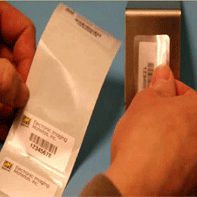
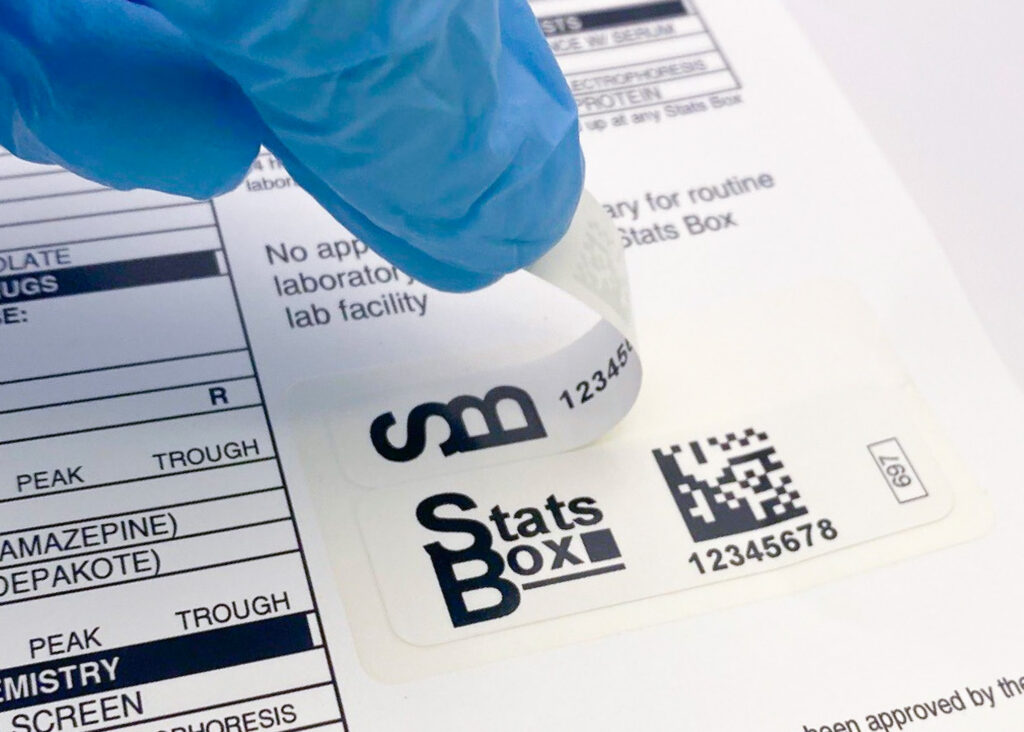
What are piggyback labels and how do they work? Piggyback labels pair a removable top label with a base label—the top layer is temporarily attached to the bottom layer—allowing for easy sharing and transfer of information without requiring removing or replacing the original label.
Applying a piggyback label is simple: attach the entire label to a primary item, such as a record, form, or document, and then affix the removable label to a related item, such as a sample or package, to link the two.
Benefits of Piggyback Labels
Piggyback labels provide several benefits that make them a popular labeling option across industries. Their advantages include:
- Multi-functionality: One piggyback label can serve several purposes, such as identification, tracking, and documentation.
- Tracking: Piggyback labels support asset monitoring and consistent information, improving visibility through workflows.
- Data Management: Piggyback labels help to streamline processes and maintain accurate records by linking physical assets to documentation.
- Uptime: Tailoring piggyback labels to specific applications eliminates extra operational steps, such as printing new labels for every step in a process or component in a larger system, speeding up processes and reducing errors.
- Cost Efficiency: Although more complex to manufacture than standard one-ply labels, two-ply piggyback labels minimize material use and reduce waste, helping control expenses.
What Are Piggyback Labels Used For?
Because of the many benefits piggyback labels provide, they’re used across a broad swath of industries, including:
- Logistics: Tracking items as they move through the supply chain with paired labels attached to assets, paperwork, and other internal systems.
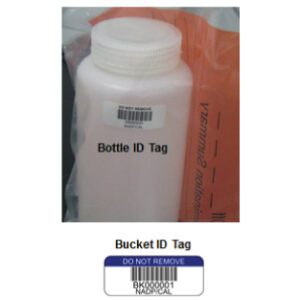
- Healthcare: Common in medical and lab environments, they connect specimens to patient records, track medication, and maintain chain of custody.
- E-commerce: Fast-growing sectors like e-commerce use them to facilitate smoother customer interactions, piggybacking a return label onto a shipping label.
- Manufacturing: They serve several functions in manufacturing, including tracking parts as they move through production and supporting quality control.
- Administrative: They’re particularly helpful in administrative applications, including finance, law, and insurance, connecting documents to archives.
- Marketing: Marketers also use them for promotions, such as discounts or coupons that customers can peel off the base label.
And those are just a few of the common fields that use piggyback labels—they fit any application where information must stay matched between items.
Manufacturing Piggyback Labels
From different construction methods to different printing styles, piggyback label design is as varied as their use.
Single- and Multi-Part Piggyback Labels
Converters like Electronic Imaging Materials, Inc. (EIM) can print piggyback labels as single- or multi-part labels.
Single-part construction is manufactured in two different formats:
- The top label and liner are the same size as the base liner. This flush-cut design uses one die to cut the same-size label through all layers and often uses existing tools, providing a number of size options.
- The top label and liner are smaller than the base liner. This process makes removing the top label easier but is more complex to manufacture because it requires two tools.
Multi-part construction uses a single liner topped with smaller, removable label sections, each of which can be removed and placed at a different stage. Multi-part construction lets you establish a chain of custody or workflow, without reentering data or printing new labels during the process.
Other Piggyback Label Considerations
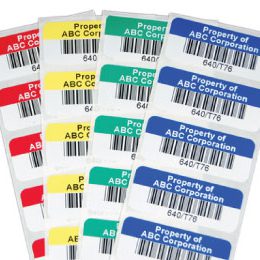
Piggyback labels can be customized to fit almost any operation, with features such as resistance to chemicals and extreme temperatures, special shapes, and unique configurations.
- Print: Both direct thermal and thermal transfer printing support piggyback labels. They can also be ordered as blanks, allowing operations to print them on demand.
- Facestock: Materials made to stand up to an application’s demands, from rough handling in a warehouse to harsh lab conditions.
- Adhesive: Piggyback label performance requires secure attachment—high-quality adhesives ensure labels stay affixed through an item’s lifecycle.
Electronic Imaging Materials, Inc.
Not sure what type of label you need? Contact the Label Experts at EIM. Backed by almost 40 years of labeling the unlabelable, EIM can help you find the right print, material, and adhesive combination, suggest features to consider, and work with you to find a configuration that works for your specific applications.
Not convinced? Request samples and see why industries and organizations across the globe—114 countries and counting—trust EIM’s labeling solutions.