Even the best labeling system will drift over time. Racks get reconfigured, zones are repurposed, products change, and labels take daily abuse from forklifts, cleaning, and handling. What started as a clean, logical layout slowly turns into a mix of faded tags, improvised stickers, and confusing routes.
A simple warehouse label audit can reveal where labels are holding back performance, from slow scans to picker confusion. With a structured approach, you can refresh aging labels, realign them with your WMS, and get your warehouse back to running at full speed without rebuilding everything from scratch.
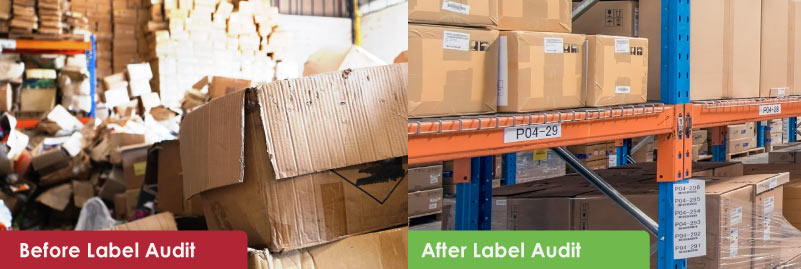
Why Warehouse Labeling Systems Need Periodic Audits
A good labeling system is part of your core infrastructure, which means it needs maintenance like any other critical asset. Over time, labels stop matching reality. Locations change, processes evolve, and what is printed on a tag can fall out of sync with how people and products move through the building.
When that happens, you see it in small operational hiccups that eventually add up: pickers stopping to double check locations, trainers spending extra time explaining exceptions, or supervisors fielding questions about which tag is the right one in a cluster of old stickers. A regular warehouse label audit keeps those small problems from turning into chronic slowdowns.
Where Warehouse Labels Tend To Fail First
The first trouble spots often appear where conditions are harshest. End-of-aisle posts, dock doors, and floor positions near staging see constant contact with pallets, equipment, and people. Labels in those areas are more likely to be scraped, peeled, or stained. High bay rack labels exposed to bright lights or temperature swings may fade faster than signs in calmer zones.
It is also common to see failure where improvisation fills gaps. Handwritten stickers, temporary tape-on tags, and overlapping labels are usually signs that the original system did not keep up with operational change. Those quick fixes might work for a day or a week, but they slowly erode trust in the entire system.

Natural Wear And Tear Over Time
Even in stable zones, age takes a toll. Barcodes fade from repeated cleaning or sunlight. Corners lift where adhesive lost strength. Signs crack or warp. Dust and grime build up, especially on higher levels that are harder to reach. All of this affects visibility and scan quality. Over time, a label that technically still exists stops doing its job in a reliable way.
Operational Shifts
As your warehouse evolves, the map changes. New racking goes in, old sections are repurposed, zones shift to support different clients or product mixes, and automation or new software changes how people move. If labels do not evolve with those shifts, they become misleading. A location tag that no longer matches the WMS record or the real use of the slot is a recipe for misroutes and lost time.
How To Conduct A Warehouse Labeling Audit
As your warehouse evolves, the map changes. New racking goes in, old sections are repurposed, zones shift to support different clients or product mixes, and automation or new software changes how people move. If labels do not evolve with those shifts, they become misleading. A location tag that no longer matches the WMS record or the real use of the slot is a recipe for misroutes and lost time.
A useful warehouse label audit does not have to be complicated. You are essentially asking three questions: Can people see and understand the labels, can scanners read them quickly, and does each label match what your systems and processes expect. Use the steps below as a repeatable framework you can apply zone by zone.

Walk The Floor
Start with a physical walkthrough. Move through receiving, storage, pick faces, and shipping in the same sequence that product follows. At each stage, check label visibility, adhesion, and legibility. Are aisle and rack signs easy to spot from typical approach paths? Can you read bin labels at working distance without squinting or leaning in too far?
Pay special attention to high traffic and high impact areas. Look for labels that are torn, curling, covered by stretch wrap, or blocked by product. Note any zones where formats vary wildly, or where handwritten labels have been added. Those pockets of inconsistency will often line up with your most frequent questions and delays.

Check Barcode Readability And Scanning Performance
Next, focus on barcode readability. Take a scanner and work through a sample of locations in each zone. Are scans immediate, or do operators need to adjust angle and distance to get a read. Do some labels require multiple attempts while others respond instantly.
Look for patterns. Poor barcode readability might come from glare on glossy materials, codes printed too small for the scan distance, or labels placed on curved or uneven surfaces. If operators regularly tilt scanners to dodge reflections or step closer to high bay tags, those labels are telling you where to focus your refresh efforts.

Cross-Check System Alignment
Once you understand what is happening on the floor, compare it to what your WMS or inventory system thinks is happening. Pick a sample of aisles and bins, scan their labels, and verify that each code points to the correct location record, naming convention, and zone.
Look for any labels that have been physically moved without a corresponding system update, as well as codes that reference formats you no longer use. This is also the time to confirm that your data structure is consistent: same number of characters for locations, predictable use of check digits, and clear logic that new hires can learn.

Flag Gaps In Labeling Coverage
Finally, document what is missing. Are there unlabeled bulk locations, overflow areas, or temporary staging zones where teams constantly guess or write on pallet wrap. Are color codes applied consistently across all aisles and levels, or only in part of the building.
Gaps in coverage, inconsistent color use, or missing signage at decision points (like end-of-aisle locations) are all opportunities to tighten your label system so it guides people more intuitively. These findings become your punch list for improvement work.
If you are already seeing issues but are not sure where to start, Electronic Imaging Materials can help you review your findings and prioritize changes that deliver the fastest impact.
Signs Of Warehouse Labeling Errors You Cannot Ignore
Some symptoms make it clear that your labeling setup needs attention. Picking delays or misroutes are an obvious sign. If pickers frequently walk past the right bay, double back, or stop to ask a lead for clarification, chances are the visual guidance on the floor is no longer aligned with reality.
Training difficulty is another clue. When new hires struggle to learn location logic, or trainers spend extra time explaining exceptions and workarounds, it often means the system has drifted from its original design. High scanner error rates and repeated rescans, particularly in specific aisles or levels, point to problem labels that need replacement or redesign. Unexplained inventory misplacements or recurring cycle count adjustments in the same zones also suggest that outdated or unclear labels are part of the root cause.
Best Practices For Warehouse Label Maintenance
A one-time cleanup helps, but you get the real benefit when you fold label care into regular warehouse label maintenance. The goal is to fix current problems while building habits that prevent the same issues from creeping back in.
Plan In Zones Or Phases
Instead of trying to fix everything at once, plan updates in logical chunks. Focus on one zone, customer area, or process flow at a time. This approach lets you keep the rest of the building running while you relabel and verify a specific section. It also makes it easier to coordinate with operations so changes align with slower periods, scheduled shutdowns, or other planned work.
Match Updates To Process Improvements
Use the audit as a reason to revisit layout and processes. If you are already touching every location label in a zone, consider whether the slotting strategy, pick path, or staging arrangement still makes sense. When labels and processes change together, you get a cleaner reset and avoid building a fresh label layer on top of outdated workflows.
Standardize Moving Forward
As you update labels, lock in standards for formats, placement, and materials. Document where labels should sit on racks and bins, what fonts and sizes to use, and how color coding should apply across the building. Keep templates controlled so that future additions follow the same patterns. Consistent standards make future audits faster and keep each refresh from turning into a reinvention of the system.
Electronic Imaging Materials supports teams with design input, material engineering, and practical field experience. The Label Experts can collaborate on prototypes, supply test runs for different zones, and adjust constructions for demanding areas like freezers, high bays, or outdoor storage. As your operation grows, they can scale print production, refine templates, and help you integrate new automation or software with your existing label strategy. That kind of support turns a collection of labels into a coherent system that stays aligned with how your warehouse works.
Label Maintenance Is Label System Maintenance
A small, regular investment in your labels is really an investment in the performance of your overall label system. When you keep labels visible, scannable, and aligned with how your warehouse operates, you shorten pick paths, reduce questions, and make it easier for both people and technology to do their jobs. Over time, that steady attention supports better data, smoother automation, and fewer surprises at peak.
Electronic Imaging Materials works with teams that want their labeling infrastructure to grow and adapt alongside their operations, not lag behind. From material selection and print guidance to mapping and relabeling strategies, The Label Experts can help you move from a one-time cleanup mindset to an ongoing improvement cycle.
Schedule a warehouse label consultation to
evaluate your current system and plan
your next round of improvements
Connect with our team today for expert guidance and free warehouse label samples designed to meet your specific needs.